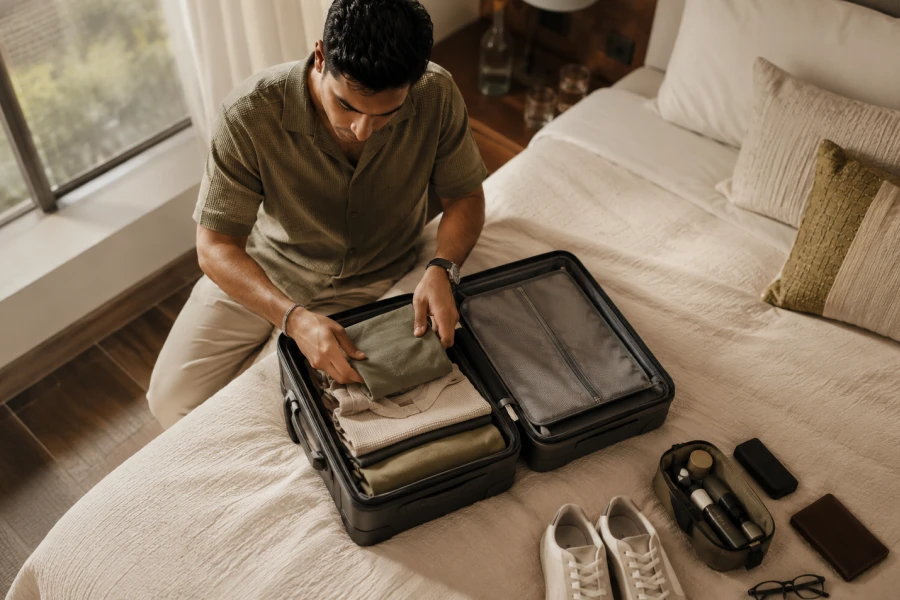
The freedom of travel often begins before the plane leaves the ground. Carry-on-only travel reduces the drag between you and the moments you came to experience. One manageable bag can mean fewer queues, faster exits, and simpler transfers. It can also reveal how much of your usual packing is based on anxiety. The aim is not to travel with nothing. It is to bring what supports the trip and leave the rest behind. A carry-on packing system gives that idea a practical shape. It replaces last-minute guessing with decisions that fit your destination and habits. Once your bag has a clear job, packing becomes less emotional. You spend more energy anticipating the journey than managing the luggage.
A small bag creates a useful limit. It forces every item to earn space through repeated use, comfort, or necessity. That boundary can feel restrictive at first, especially for longer trips. In practice, it often makes decisions faster and cleaner. Begin by choosing the bag before choosing the clothes. Its dimensions set the real rules of the trip. Then build around outfits, weather, and laundry access instead of vague what-ifs. A one-bag travel method helps you treat space as a planning tool rather than a shortage. You will see duplicates more clearly when every pocket is visible. The result is a bag you can lift, roll, and unpack without an argument with yourself.
Most overpacking happens when items are chosen one by one without a system. A formula starts with a few bottoms, coordinated tops, one warmer layer, and shoes that work across settings. Your personal version may include workout gear, formal clothing, or a special item for work. The key is giving each category a limit before you shop your closet. Try each outfit once at home and remove anything that feels awkward or dependent on another piece. Clothing should solve several days, not one imagined photo. Think in combinations instead of individual favorites. That switch makes it easier to resist packing clothing for every possible version of yourself. A compact bag works because the choices inside it already work together. When you arrive, getting dressed becomes a quick decision instead of a daily puzzle.
Airport stress rarely comes from one dramatic problem. More often, it comes from a series of minor hassles that compound. A manageable bag removes several of them before they start. You can move through a terminal without dragging a large case behind you. You also avoid wondering whether your luggage will appear at the other end. An airport packing routine can make the security process calmer as well. Keep liquids, documents, and charging tools in predictable places. Wear the bulkiest layer instead of forcing it into the bag. Give yourself a small pocket for the things you need while seated. These habits shorten the transition between travel modes and leave more attention for the destination.
Travel gear earns its place when it does useful work more than once. A light scarf can handle cool trains, shaded walks, and simple outfits. A small pouch can organize cables, toiletries, or medicine depending on the day. Shoes should work for the walking you will actually do, not just the photos you imagine. A dependable compact travel gear selection reduces clutter without making the trip feel underprepared. Avoid gadgets that solve a problem you rarely encounter. Instead, choose simple items that improve many small moments. This approach lowers the weight of the bag and the number of decisions you must make. More versatile belongings also make repacking faster between destinations. Practicality becomes a form of comfort when it travels easily.
A lighter bag does not require a flawless packing performance. You may forget something small, buy a replacement, or wear the same outfit twice. None of those outcomes ruin a trip. The real advantage is that you can adjust without carrying a large backlog of unused options. When your belongings are limited, you learn what you actually miss and what you never touch. That feedback is valuable for every future departure. Keep a short note after the trip with the items that worked hardest. Remove the things that traveled only because you felt guilty leaving them behind. Soon, your packing becomes personal rather than aspirational. The bag gets lighter because your decisions get clearer. That is the kind of freedom minimalist travel can deliver.
Imagine stepping off a train or plane with everything already under your control. You can take stairs, change routes, and accept a room before the elevator arrives. There is no long wait at baggage claim or anxiety about delayed luggage. That freedom changes how quickly a new place starts to feel available. You can go directly to dinner, a walk, or an early check-in conversation. Small gains in time create a smoother first impression of the trip. The lightness is physical, but it is also mental. Your belongings are close, organized, and easy to move. That makes it easier to say yes to an unexpected detour. The journey begins sooner because your luggage stops being the main event.




Leave a comment