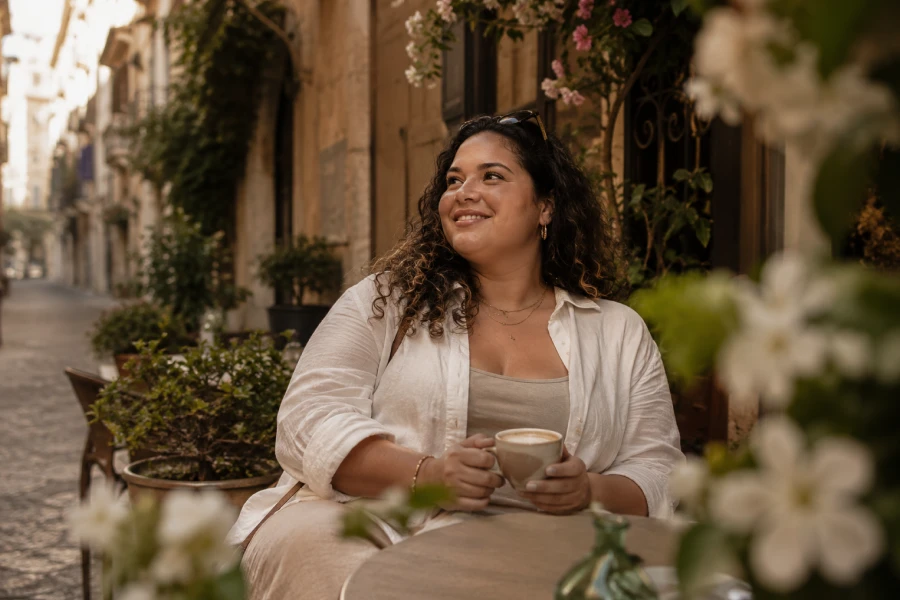
Confidence does not arrive in a single dramatic moment. Traveling alone in Europe becomes easier through small decisions that prove you can handle the next one. You choose the station exit, order lunch, ask a question, and find your way back. Each action is ordinary, yet together they create a stronger sense of independence. The goal is not to become fearless. It is to become familiar with your own ability to adapt. A confident city navigation habit makes those daily choices less draining. It gives you a clear starting point when the streets, language, or transport system feel new. Soon, the unfamiliar becomes part of the pleasure. Confidence grows because you keep showing up for the day in front of you.
Start with manageable challenges. Take a short walk around your accommodation, find a nearby grocery store, and learn one simple transit route. These first steps are small enough to feel safe but useful enough to matter. They give you evidence that you can solve ordinary problems in a new place. Do not wait for a major moment of courage. Let competence develop through repetition. A missed turn can become a chance to discover another street. An unfamiliar menu can become a conversation or a simple point-and-order choice. The more you practice navigating low-stakes moments, the less power they have over you. Confidence is built from accumulated experience, not perfect preparation.
Useful tools should reduce effort, not create more screens to manage. Keep offline maps, accommodation details, and a basic translation option accessible. Carry a portable charger and a small amount of local cash when it makes sense. These items support your decisions without making you dependent on a complicated setup. A good solo travel tools collection also includes non-digital habits. Write down an address, memorize the name of your nearest station, and keep your essentials organized. Technology is helpful, but calm routines matter more when batteries run low. Choose systems you can use while tired, rushed, or distracted. Simplicity is a genuine travel advantage. It leaves more room to enjoy the city rather than troubleshoot it.
One of the most important solo-travel skills is honoring your own comfort. You are allowed to leave a bar, change cafés, skip a tour, or take another route. You do not need a dramatic reason to make a different choice. Pay attention to the difference between ordinary nerves and a situation that makes you want distance. Both feelings deserve acknowledgment, but they may need different responses. Moving toward a public, well-lit, or staffed space is always an available option. A clear neighborhood awareness habit helps you make that adjustment early. You are not failing the trip by protecting your energy. You are making the trip sustainable enough to enjoy. Self-trust becomes stronger when you act on it consistently.
Being alone does not mean being closed off. You can choose a walking tour, a class, a shared dinner, or a conversation with a shop owner. The key is recognizing that you decide how much connection feels right. A brief exchange may be enough to make the day feel warm. A longer conversation can be enjoyable when the setting feels comfortable and your boundaries remain clear. Solo travel offers a rare balance between openness and autonomy. You can say yes without giving up your schedule. You can also say no without apologizing for it. This flexibility is part of what makes traveling alone so rewarding. You learn how to make company a choice rather than a requirement. That lesson carries well beyond the trip.
Boundaries are not only for difficult moments. They also protect your time, money, and attention on ordinary days. Decide how much you want to spend, how late you want to stay out, and what invitations feel worth accepting. Keep your answers simple when someone pressures you for more detail. A clear no is often more effective than an elaborate excuse. Your self-trust on the road becomes stronger every time you honor a decision that fits you. These choices may seem small, but they create a calmer pace. You become less likely to follow someone else’s plan simply because it is offered. Independence feels lighter when it is paired with firm, uncomplicated boundaries. That balance helps you stay open without feeling exposed.
At the end of a solo trip, you may not remember every route or reservation. You will remember the moments when you realized you could handle more than expected. Perhaps you arrived in a new city, solved a problem, and still found time for a beautiful meal. Maybe you spent an afternoon exactly as you wanted without negotiating with anyone. Those experiences are not small. They show you what your judgment, curiosity, and resilience can do together. Keep a few notes about the choices that made you proud. They will help when you plan the next journey or face uncertainty at home. Solo travel does not transform you into someone else. It gives you clearer evidence of who you already are.



Leave a comment