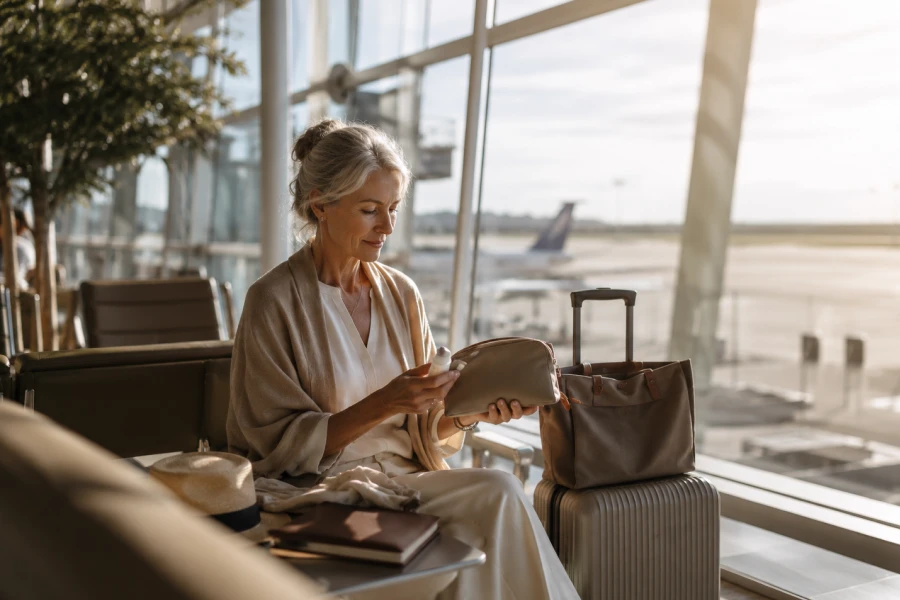
A lighter suitcase is usually the result of better questions, not better folding. Packing light for international travel begins with the trip itself: where you are going, how you will move, and what you will actually do. A week of city trains asks for different choices than a week of beach taxis. The strongest packing plans start with a realistic itinerary rather than a pile of favorite belongings. Consider the climate, laundry access, dress expectations, and length of each transfer. A minimalist packing strategy turns those answers into useful limits. It helps you see the difference between a genuine need and an imagined possibility. Once the trip has shape, the suitcase becomes far easier to fill. This clarity also makes last-minute choices less tempting. You pack for the journey ahead instead of for every hypothetical problem.
Start with the moments when your luggage will be hardest to manage. Think about stairs, transfers, cobblestones, crowded platforms, small hotel rooms, and early arrivals. Those details reveal whether a second bag will feel helpful or exhausting. A carry-on that seems light in your bedroom may feel different after two connections. Write down the longest travel day before choosing your bag size. Then plan your clothing and gear around the weight you can comfortably handle then. This method keeps the most demanding day from becoming an afterthought. It also protects the rest of the trip from unnecessary strain. When your route is clear, packing becomes a series of practical decisions. That is the first step toward carrying less without feeling unprepared.
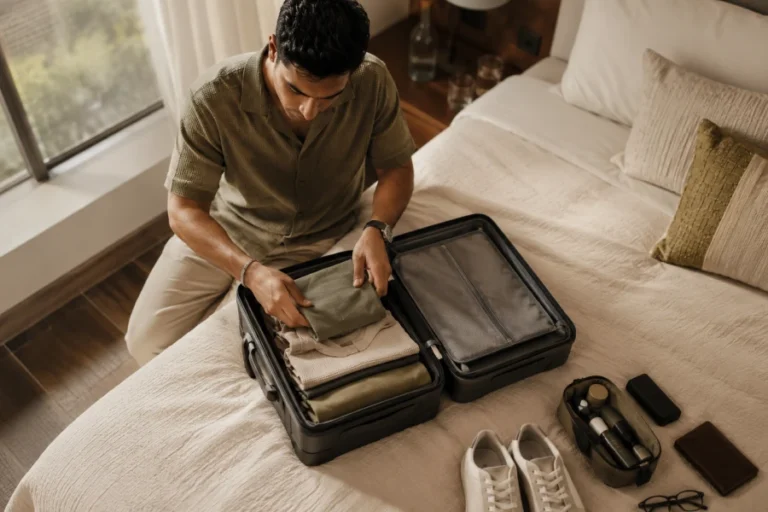
Instead of packing item by item, build a few clear categories. You need clothes, toiletries, documents, electronics, health items, and a small reserve for surprises. Give each category a container or designated area before you begin. This makes duplicates easier to spot. It also prevents a last-minute scramble where every loose item feels essential. A thoughtful travel packing planner can help you make these decisions once instead of repeatedly. Keep your documents and essential medications accessible, not buried under clothing. Let nonessential items compete for whatever space remains. The visual limit of a category is often more convincing than an abstract promise to pack less. Order creates confidence because you always know where the important things are.
Toiletries can quietly add weight because they are easy to justify individually. A full-size bottle may seem harmless until several similar items join it. Begin with travel-size amounts based on the number of days before you can buy replacements. Decant only products you know you will use. Leave behind elaborate routines that you rarely complete at home. A smart toiletry strategy keeps the bathroom bag focused and compliant with airport limits. Look for products that can serve more than one purpose when it makes sense. Keep liquids together so security is simpler. Refill when you arrive instead of carrying weeks of product across borders. Less volume creates more room for the things that truly improve your comfort.
Laundry is one of the most useful tools in a light-packing plan. Even a sink wash can reset a few key items halfway through a trip. Choose quick-drying fabrics when your route makes laundry likely. Bring a small amount of detergent only when it is genuinely useful. The goal is not to spend vacation time doing chores. It is to prevent clothing from multiplying without reason. A few repeatable outfits can handle far more days than most travelers expect. Wear items again when they are clean and comfortable. Let one or two pieces absorb the wear of transit days. This approach creates a natural rhythm between washing, wearing, and resting. It also frees you from packing a separate identity for every day on the calendar.
Technology becomes easier to carry when it has clear value. Bring the devices you will use daily, not every tool that might become useful once. A phone, charging cable, and adaptable power solution are often enough. Add a camera, laptop, or tablet only when the trip truly requires it. Keep chargers together so they do not spread through the bag. Your lightweight travel essentials should support your plans, not create another system to maintain. Download what you need before leaving Wi-Fi. Back up key documents securely, then avoid carrying stacks of paper. Every item should make the trip easier, safer, or more enjoyable. When it does not, it can probably stay home.
Once the bag is packed, step away from it for an hour. Return with fresh eyes and remove one or two things. This final reset often reveals items chosen from habit rather than need. Carry the bag around your home or take a short walk with it. Notice what pulls, rattles, or makes you feel overloaded. A lighter bag should feel like an advantage before it becomes a rule. If something bothers you at home, it will not improve after a long flight. Trust that observation. You can buy many ordinary items abroad if you genuinely need them. The goal is not to win a packing challenge. It is to arrive with enough, move easily, and stay focused on the place you came to see.



Leave a comment